
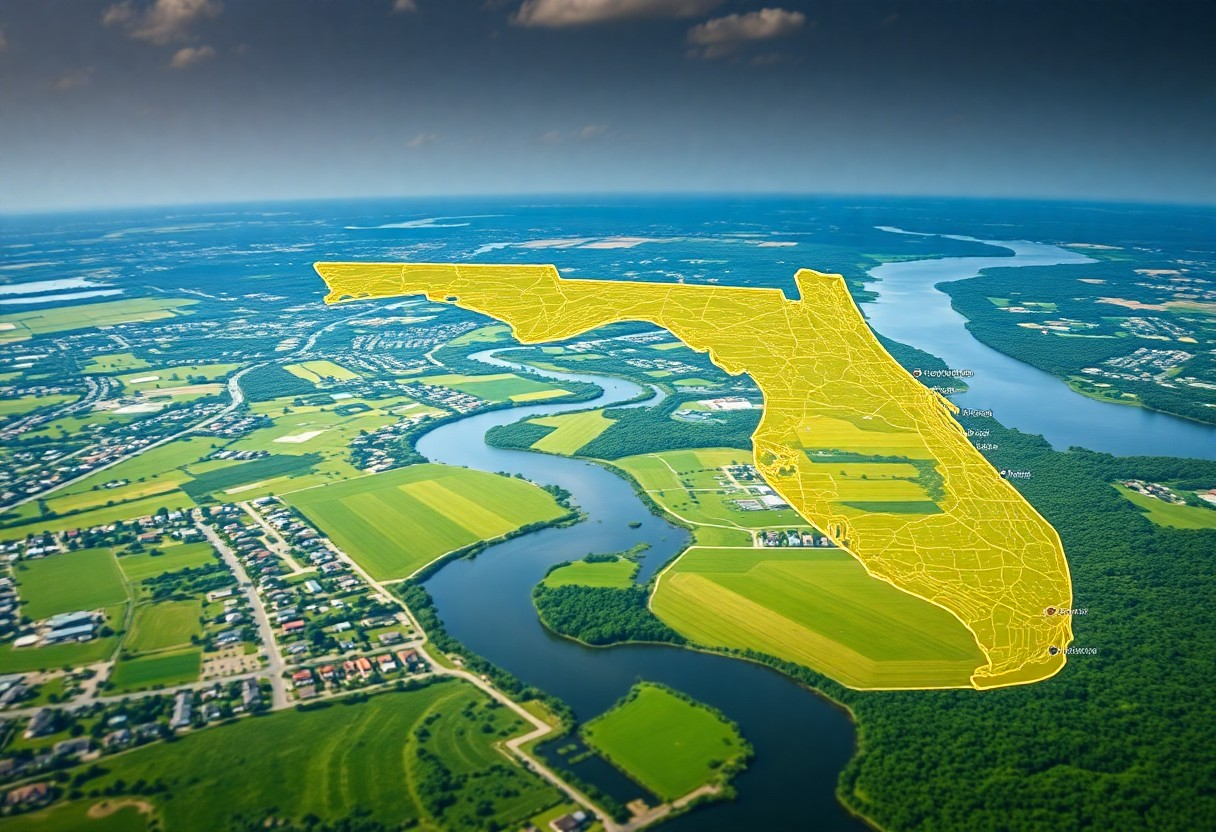
Most landowners and investors in Florida can unlock valuable insights by effectively combining public GIS data with property lines applications. This guide will walk you through the steps to streamline your property research process, empowering you to make informed decisions about land use, purchasing, and development. By leveraging these tools, you can gain a clearer understanding of property boundaries, zoning regulations, and geographical features, ultimately enhancing your real estate ventures.
Key Takeaways:
- Public GIS provides spatial data crucial for land analysis in Florida.
- Property lines apps help identify ownership boundaries with accuracy.
- Combining both tools enhances visualization of land features and zoning information.
- Utilizing layering techniques can improve decision-making for land development.
- Cross-referencing data from both sources increases reliability of insights into land use.
Understanding Public GIS
Public Geographic Information Systems (GIS) are powerful tools that allow you to access and analyze spatial data relevant to land and property insights. By leveraging this information, you can gain a deeper understanding of land usage, zoning regulations, and environmental features in Florida, enabling informed decision-making for investments and developments.
What is Public GIS?
Public GIS refers to spatial databases available to the public, often managed by government agencies. These systems provide valuable geographic data, including maps, property boundaries, and demographic information, which can be accessed online for free or at minimal cost. This transparency fosters a better understanding of land use and planning across various regions.
Common Applications in Florida
In Florida, public GIS applications serve various functions. You can use these tools to explore property assessments, determine flood zones, and review zoning classification. Additionally, they aid in tracking environmental features such as wetlands and conservation areas, crucial for sustainable development and investment decisions.
For example, the Florida Geographic Data Library offers access to an array of data sets, helping you analyze coastal erosion or assess hurricane risk zones. You can also uncover demographic trends relevant to property values, which can influence your investment strategies. This wealth of information enables not just compliance with regulations but also strategic land planning, ultimately enhancing your decision-making processes in real estate. Understanding these applications can significantly augment your ability to navigate Florida’s complex land landscape.
Exploring Property Lines Apps
Property lines apps have emerged as imperative tools for anyone involved in land management, real estate, or simply for homeowners wanting clarity about their property boundaries. These applications provide you with accurate delineations of land parcels, enabling you to understand the exact dimensions and borders of your property. By utilizing GPS technology alongside public GIS data, these apps can offer a detailed view of land ownership and adjacent properties, making them invaluable for informed decisions.
Features of Property Lines Apps
Property lines apps typically include features such as interactive maps, overlay options for zoning and flood zones, and GPS positioning to identify your exact location. Many of these apps allow you to measure distances, calculate area, and access historical land data. You may also discover options for sharing property boundaries with contractors or real estate professionals, streamlining the process of development or sale.
Recommended Apps for Florida
For Florida land insights, several apps stand out due to their strong functionality and user-friendly interfaces. Apps like LandGlide, GIS Cloud, and ParcelQuest are popular among locals. These applications provide comprehensive access to property lines, owner information, and even specialized layers for different land uses, equipping you with the necessary tools for effective navigation and understanding of property trends.
LandGlide, for instance, allows you to view property lines with precision using its advanced GPS capabilities, and offers real-time updates on property ownership status. GIS Cloud goes a step further by integrating public GIS data, enhancing your view of zoning laws and flood plain maps relevant to Florida’s diverse ecosystems. ParcelQuest is particularly noted for its extensive database of property information, making it a go-to for real estate professionals interested in the Florida market. Each of these apps empowers you to gain actionable insights into your land and surrounding properties.
How-To Combine Both Tools
Integrating public GIS and property lines apps enhances your ability to analyze land data effectively. By combining these resources, you gain a comprehensive view of property boundaries, zoning regulations, and other crucial geographic insights specific to Florida. The synergy between the two tools can lead to better decision-making in land management or real estate investments.
Step-by-Step Integration Process
| 1. Select a reputable public GIS platform. | 2. Access your property lines app. |
| 3. Input the relevant geographic area in both tools. | 4. Overlay layers for zoning and property boundaries. |
| 5. Export or save the combined data for analysis. | 6. Utilize the findings for your specific land-use needs. |
Tips for Effective Use
To maximize your use of these tools, ensure you familiarize yourself with their features and data. Analyze the visual representation of data intersections and changes over time. Consider factors such as local land regulations when interpreting your findings.
- Regularly update both applications to access the latest information.
- Explore additional layers in GIS for a more detailed perspective.
- Compare results from both tools to verify data accuracy.
Effective utilization of property lines apps and public GIS requires an exploratory mindset. Take advantage of tutorials and community forums to deepen your understanding. Cross-reference your findings with local land use regulations and market trends for a richer analysis.
- Utilize offline capabilities for areas with limited connectivity.
- Incorporate demographic data for comprehensive insights.
- Engage with local experts to gain additional context.
Knowing how to navigate and leverage these tools can greatly enhance your operational efficiency in land-related projects.
Key Factors to Consider
When combining public GIS with property lines apps in Florida, it’s important to take several factors into account to ensure you derive the most accurate insights. Understanding the nuances of these applications can enhance your decision-making and help avoid potential pitfalls. Key considerations include:
- The reliability and timeliness of data sources
- Compatibility of different applications
- Local zoning laws and regulations
- Potential costs associated with app subscriptions
- Your specific land-use goals
Any oversight in these areas could lead to misinformation or misunderstandings.
Accuracy and Data Sources
Your analysis is only as good as the data you use. Therefore, selecting reliable data sources is vital. Public GIS platforms typically aggregate information from government land records, surveys, and up-to-date aerial imagery. However, verify that the data aligns with your land’s specific characteristics. In Florida, consider checking local property appraiser websites for accurate parcel boundaries and assessments.
Legal Implications
Understanding the legal implications is vital when using GIS and property line apps. Failing to appreciate local zoning laws and property boundary disputes could expose you to legal challenges. Particularly in Florida, property ownership details can involve complexities like easements and restrictions that might not be evident in simplistic app views.
Utilize these tools judiciously, and consult a real estate attorney if you’re uncertain about property boundaries or local regulations. The nuances of Florida land law can impact your intended use of a property significantly, especially in cases of adjacent land claims or reserved rights. Being proactive in understanding these legal aspects can prevent future complications or financial loss.
Advanced Techniques for Enhanced Insights
To deepen your understanding of Florida land, applying advanced techniques can lead to significant insights. These strategies allow you to utilize GIS and property line data more effectively, helping you visualize, analyze, and derive meaningful conclusions from complex datasets.
- Utilize multi-layered mapping to visualize various data types.
- Incorporate demographic data to assess potential land use impacts.
- Leverage time-based data to observe changes over multiple years.
- Employ spatial analysis tools to identify geographic relationships.
- Access third-party data sources for a comprehensive analysis.
| Technique | Description |
| Data Layering | Overlaying multiple data layers to discern patterns and correlations. |
| Geospatial Analytics | Using spatial data to understand the geographic context of your land. |
Data Layering Strategies
Data layering offers a powerful way to analyze complex land information. By stacking different datasets, such as zoning regulations, environmental features, and property boundaries, you gain a multidimensional view. This allows you to identify opportunities or challenges that may not be visible with single-layer analysis, enhancing your strategic planning.
Analyzing Land Patterns
Examining land patterns through the combination of GIS and property lines can reveal significant insights. You can uncover trends like land use efficiency, property value fluctuations, and environmental impacts. This analytical approach allows you to make informed decisions regarding investments, development, and conservation efforts based on concrete data and observed trends over time.
Analyzing land patterns involves studying spatial relationships and land use distributions across various areas. For instance, analyzing properties in proximity to water bodies might show increased value due to demand for waterfront access. Conversely, identifying areas with high environmental restrictions can guide you away from potential pitfalls in land investments. By visually mapping these patterns, you can better strategize your land management or investment activities based on findings.
Troubleshooting Common Issues
Throughout your use of public GIS and property lines apps, you may encounter various issues that can hinder your experience. Understanding how to diagnose and resolve these common problems will enhance your efficiency. For example, if you experience slow loading times, ensure that your internet connection is stable and try clearing your app cache. Knowing these troubleshooting steps will help you gain insights more smoothly.
Common Errors and Fixes
One frequent error is inaccurate property lines due to outdated GIS data. To remedy this, check if your app allows you to report discrepancies or refresh the dataset. Additionally, if the application crashes, restarting your device or updating the app version often resolves instability. Keeping your software current is vital for optimal performance.
Seeking Further Assistance
If you encounter persistent issues that you cannot resolve, seeking help from support resources is advisable. Many apps provide comprehensive FAQs, user forums, or direct customer support that can guide you through specific problems related to your geographic queries.
Utilizing support resources can provide tailored solutions based on your unique circumstances. For instance, customer support is often available via email, chat, or phone for immediate assistance. Engaging with user forums not only allows you to learn from others’ experiences but also enables you to contribute solutions that may help fellow users facing similar challenges. Leverage these resources to enhance your overall experience with Florida land insights.
Final Words
Summing up, effectively combining public GIS and property lines apps allows you to gain comprehensive insights into Florida land. By utilizing these tools together, you can make informed decisions regarding property purchases, zoning regulations, and land development opportunities. This integrated approach enhances your understanding of geographic and property data, ultimately empowering you to navigate Florida’s complex land landscape with confidence.
FAQ
Q: What are the benefits of combining public GIS and property lines apps in Florida?
A: Combining public GIS and property lines apps allows users to access comprehensive geographic data alongside detailed property line information, enhancing land analysis, improving property assessments, and aiding in decision-making for purchases or developments in Florida.
Q: How do I access public GIS data for Florida?
A: Public GIS data for Florida can be accessed through state and county government websites, where various geographic and land use datasets are made available for public use. Users can typically browse maps, download data, and utilize online tools to view the information.
Q: Which property lines app is recommended for use with Florida GIS data?
A: Popular property lines apps that work well with Florida GIS data include LandGlide, PropertyLine, and ParcelAccess. These apps provide interactive maps and allow users to overlay GIS data for better insights into property boundaries and features.
Q: Can I use these combined tools for legal property disputes?
A: While combined tools can provide valuable insights into property boundaries and land data, they should not be solely relied upon for legal property disputes. Consulting with a licensed surveyor or legal professional is advisable for accurate determinations and legal matters.
Q: Is technical knowledge required to use GIS and property lines apps effectively?
A: Basic familiarity with mapping applications and GIS concepts is helpful, but most public GIS and property lines apps are designed to be user-friendly. Tutorials, guides, and customer support are often available to assist users in maximizing their experience.