
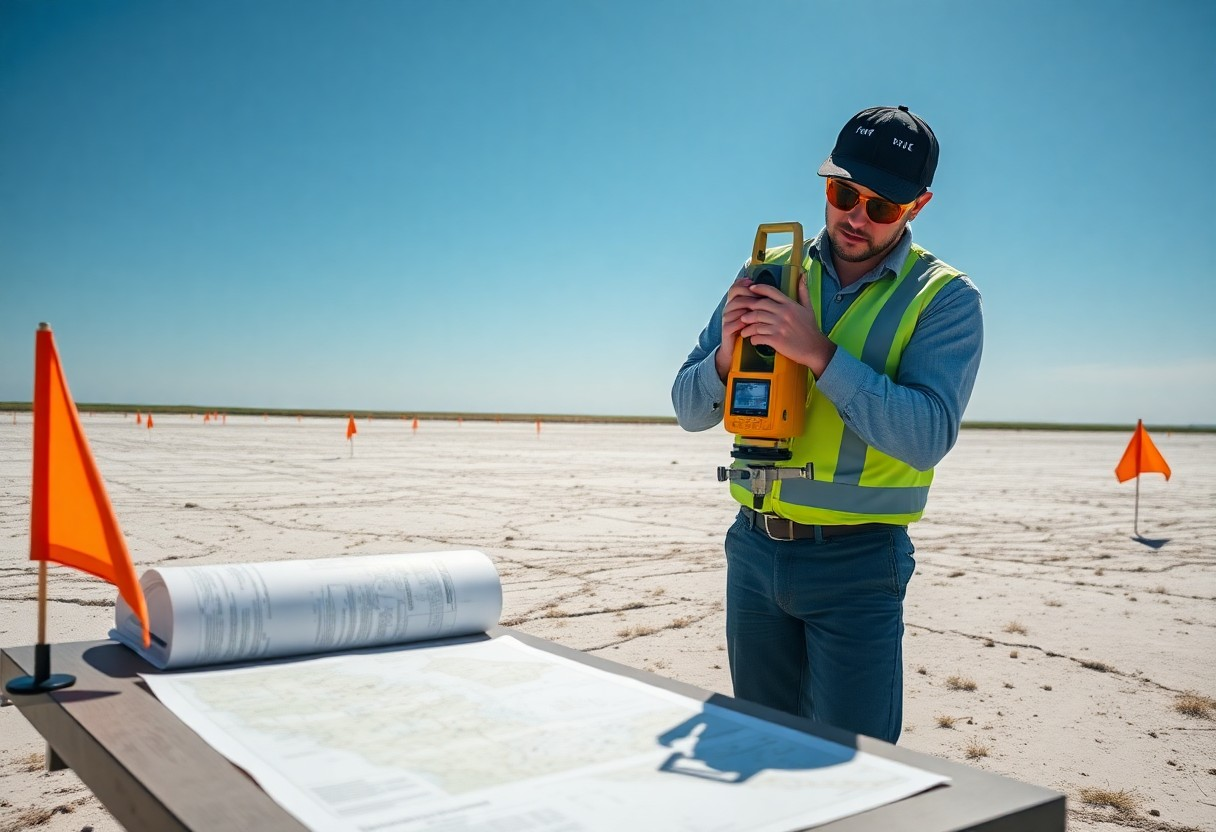
This guide will help you understand the necessary steps to verify property boundaries before purchasing land in Florida. Knowing the exact limits of your potential property can save you from disputes and ensure you make a well-informed investment. You’ll learn about necessary tools and resources, as well as best practices for assessing boundary lines effectively. By following these guidelines, you can confidently proceed with your land buying journey, ensuring that your future property aligns with your vision and needs.
Key Takeaways:
- Research the property’s legal description and purchase documents.
- Obtain a recent survey to determine accurate boundary lines.
- Check county property appraiser’s website for boundary maps.
- Verify easements, setbacks, and zoning regulations affecting the property.
- Consult with a local real estate attorney for legal advice.
Understanding Property Boundaries
Property boundaries define the limits of your land ownership, determining where your property begins and ends. They can be established through legal descriptions, surveys, and physical markers, providing a clear distinction between your land and that of your neighbors. Understanding these boundaries is crucial for ensuring that your land use aligns with legal regulations and avoiding disputes.
Definition of Property Boundaries
Property boundaries are the legally defined lines that delineate one parcel of land from another. These lines can be determined by various methods, including surveys conducted by licensed professionals and records found in county property appraiser offices. Accurate boundary identification is vital to confirming which portions of land belong to you.
Importance of Knowing Your Boundaries
Knowing your property boundaries helps prevent disputes with neighbors, ensures compliance with zoning laws, and protects your investments. Clarity on where your property lies allows you to plan developments, avoid encroachments, and uphold property rights. Furthermore, understanding your boundaries can shield you from potential legal issues arising from misunderstood land use.
Misunderstanding your property boundaries can lead to significant consequences, including costly legal disputes or unexpected expenses related to encroachments. For example, if you build a fence or structure just outside your actual boundaries, you may face removal costs or fines, which can add up quickly. Additionally, being unaware of your land’s exact limits can compromise your enjoyment of the property. Clearly knowing your boundaries empowers you to make informed decisions about land use, enhancing the value of your investment and ensuring you adhere to local regulations.
How to Check Property Boundaries
To ensure you fully understand the boundaries of the property you’re interested in, follow structured steps. You can start by obtaining the legal description from public records, which outlines the property’s dimensions and location. Additionally, hiring a surveyor can provide precise measurements and help clarify any discrepancies. Always cross-reference different resources to confirm the accuracy of the boundary lines before making a purchase.
Researching Public Records
Dive into local public records that contain property deeds, tax maps, and plat surveys. These documents are accessible through the county clerk’s office or online databases, typically outlining property boundaries. Pay close attention to the legal description in the deed, which provides critical details such as lot numbers and dimensions that define the property’s borders.
Utilizing Online Mapping Tools
Online mapping tools, like GIS platforms, offer a user-friendly approach to visualize property boundaries. Websites such as Google Earth and local county GIS services allow you to view aerial imagery and overlay property lines. This method can help you assess the surrounding area and the relationship between parcels, aiding in your understanding of the potential borders.
For instance, many counties in Florida provide GIS mapping services where you can enter the property address and access detailed maps showing exact boundaries, zoning information, and neighboring parcels. These tools are typically free and are frequently updated, making them reliable for preliminary research while saving you time and effort. Additionally, you can often measure distances directly on the map, giving you a clearer idea of the size and scope of the property in question.
Tips for Accurate Boundary Verification
Accurately verifying property boundaries requires diligence and attention to detail. Follow these tips to ensure you understand your land’s limits:
- Gather all relevant documents like deeds and surveys.
- Consult local property records for any updates or changes.
- Use GPS technology for precise location tracking.
- Engage with neighbors to gain insights into boundary histories.
- Look for any recent construction or land alterations nearby.
This approach forms a comprehensive foundation for boundary verification.
Engaging a Professional Surveyor
Hiring a professional surveyor provides precise measurements and an expert assessment of property lines. Surveyors utilize specialized equipment and techniques to analyze land and produce detailed maps that accurately depict boundaries. Additionally, they can ensure adherence to zoning laws and property regulations, validating the legal dimensions of your prospective land purchase.
Observing Physical Markers on Site
Visiting the property allows you to identify physical markers that define boundaries, such as fences, trees, or survey stakes. These markers can act as visual references for understanding your land’s limits. Observing them carefully can offer practical insights into the boundaries, but keep in mind that they should be confirmed by legal documents to avoid potential disputes.
Physical markers often indicate the corners and sides of your property. For instance, a well-maintained fence may denote a boundary, while neighboring trees could also reflect previous surveyor placements. Look for established markers like iron pins or survey markers that can further clarify boundary lines. Verify these against your property deed for alignment, as discrepancies can arise from decades of change or neglect.
Factors Affecting Property Boundaries
Understanding the factors that influence property boundaries is vital before finalizing your land purchase. Key aspects include:
- Surveying inaccuracies
- Historical property records
- Adjacent land use
- Zoning laws and regulations
- Natural land features
This knowledge helps in assessing potential disputes and ensuring your investment aligns with future plans.
Zoning Laws and Regulations
Zoning laws dictate land use and can impact property boundaries by defining what can be built or modified. These regulations vary by county in Florida and can affect not just how you use your property but also its value. Be sure to verify local zoning ordinances to understand any restrictions that might apply.
Natural Land Features and Changes
Natural land features like rivers, trees, and hills can significantly influence property boundaries. These elements may shift over time due to erosion, flooding, or other environmental factors, potentially altering your perceived property lines. You should consider how these changes could affect your property rights.
For instance, a river that serves as a boundary may change course during heavy rains, leading to disputes over property lines. Similarly, if the land erodes, you could lose portions of your property, while new land from sediment deposits could impact your neighbor’s claim. Always assess the stability of natural features when evaluating land boundaries in Florida.
Common Mistakes to Avoid
Being aware of common pitfalls can save you from costly challenges when checking property boundaries. You should avoid making assumptions based on visual indicators or outdated information, as even minor oversights can lead to disputes or financial loss. Ensure you adopt a comprehensive approach to boundary verification, addressing all potential issues that could affect your land acquisition.
Relying Solely on Geographical Information Systems
While GIS data can be useful, it is not always accurate and may not reflect current property lines. Relying exclusively on this technology can result in misunderstandings of true boundaries, compounding problems once you purchase the property. For reliable boundary determination, supplemental methods are vital.
Neglecting to Verify Boundary Agreements
Failing to confirm existing boundary agreements with neighboring property owners can lead to significant disputes. Even if a property appears to have clear boundaries, unwritten agreements can exist that affect land use and property rights. For example, if a neighbor believes they have an easement for access, but this is not documented, confusion can arise, leading to costly legal battles. Always ensure boundary agreements are reviewed and verified through legal channels to avoid future conflicts. Include any neighbors in conversation for a mutual understanding, as open communication can often prevent misunderstandings before they escalate into disputes.
To wrap up
The process of checking property boundaries before purchasing Florida land is crucial in ensuring your future investment is secure and compliant. You should start by reviewing public records and obtain a survey from a licensed professional to clarify any uncertainties. Additionally, communicate with neighbors to understand potential boundary issues. By taking these steps, you protect your investment and prevent disputes in the future.
FAQ
Q: How can I find my property boundaries before purchasing land in Florida?
A: You can find property boundaries by reviewing the property’s survey, consulting public land records, or hiring a licensed surveyor to perform a boundary survey.
Q: What tools are available to check property lines in Florida?
A: Tools include online GIS (Geographic Information System) maps, county property appraiser websites, and mobile apps that provide access to property data and boundaries.
Q: Why is it important to check property boundaries before buying land?
A: Checking property boundaries helps avoid disputes with neighboring properties, ensures compliance with zoning laws, and confirms that the land is suitable for your intended use.
Q: Can I rely on old surveys to determine current property boundaries?
A: While old surveys can provide useful information, it’s advisable to conduct a new survey, as boundaries may have changed due to property sales, zoning changes, or legal adjustments.
Q: What should I do if there is a disagreement about property boundaries with a neighbor?
A: If a disagreement arises, seek to resolve it through discussion, refer to your property survey, or consider mediation. In some cases, legal advice may be necessary if resolution is not possible.