
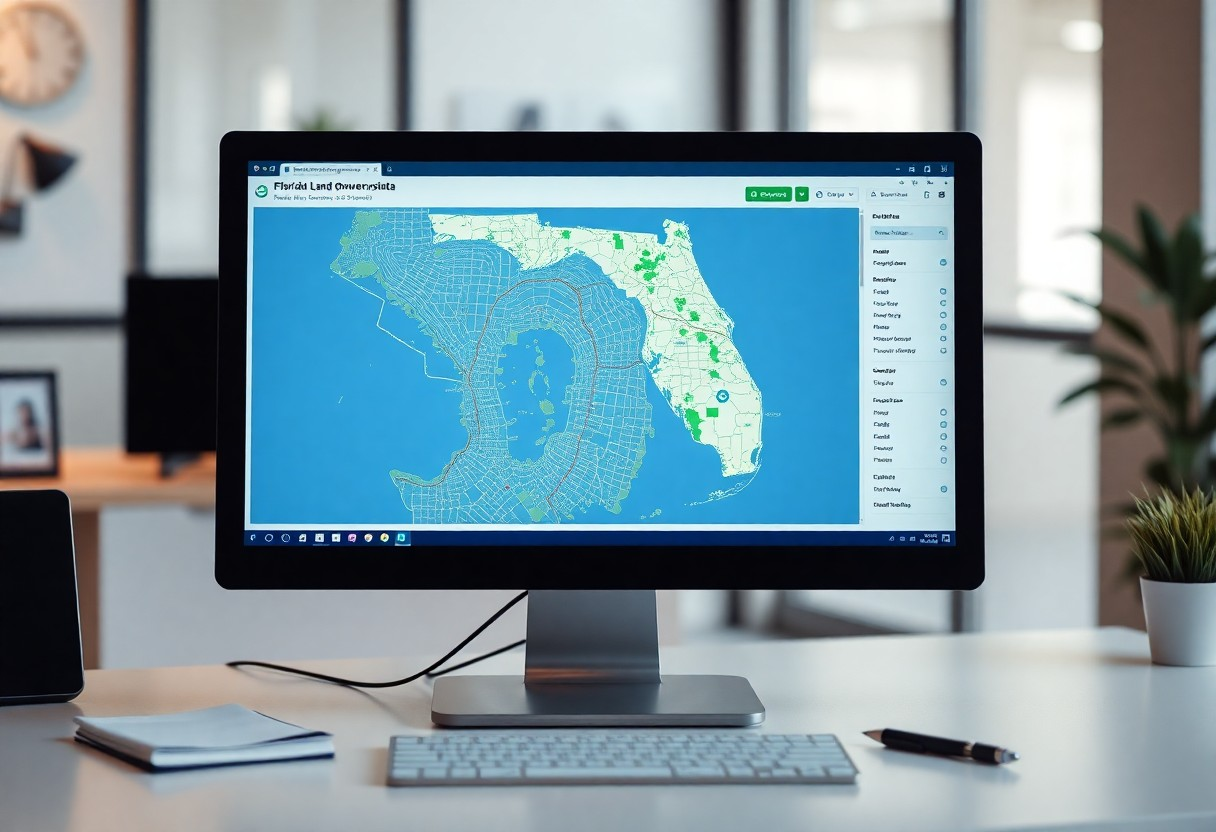
Landownership data is necessary for making informed decisions about property in Florida. This guide provides you with a detailed, step-by-step approach to utilizing Florida’s online platforms effectively. You will learn how to access, navigate, and extract valuable information about land ownership, ensuring that you have the resources needed for your real estate endeavors. By the end of this post, you will have the tools to efficiently find and understand land ownership data specific to your needs.
Key Takeaways:
- Access the Florida Department of Revenue’s Property Tax Division website for tax roll data.
- Utilize the county property appraiser’s websites for detailed ownership and property information.
- Explore the Florida Land Records website for online access to recorded documents.
- Use GIS mapping tools provided by counties to visualize land ownership and boundaries.
- Check for additional resources like Florida Public Records Law for broader access to land data.
Understanding Florida’s Online Platforms
Florida’s online platforms provide a comprehensive suite of tools designed for accessing land ownership data efficiently. These platforms include state and county-level databases that allow you to search by property address, owner name, or parcel identification number. With user-friendly interfaces, you can quickly obtain the information needed for tax assessments, zoning regulations, and property transactions.
Overview of Available Resources
The Florida Department of Revenue offers a centralized Property Tax Division website, where you can find property tax roll data and ownership details. Additionally, county property appraiser websites serve as vital resources, offering customized search functionalities tailored to local records and specific geographic locations.
Importance of Accessing Accurate Land Ownership Data
Accurate land ownership data informs decisions that can significantly impact investments, legal processes, and development plans. Knowing who holds title to a property allows you to navigate potential disputes, ensure compliance with local regulations, and evaluate market opportunities effectively.
Accessing precise land ownership information is vital for avoiding potential legal challenges or financial losses when purchasing property. Inaccuracies can lead to failed transactions or disputes over boundary lines and easements. For example, a misidentified owner may cause complications in obtaining permits for development projects. By ensuring you have the correct data, you position yourself to make informed choices, minimize risks, and streamline any related processes, enhancing your overall real estate experience in Florida.
Step-by-Step Guide to Accessing Land Ownership Data
| Step | Description |
| 1 | Visit the Florida Department of Property Appraisers website. |
| 2 | Use property search tools to find ownership information. |
| 3 | Access the Florida Geographic Data Library for additional data. |
Navigating the Florida Department of Property Appraisers Website
To start accessing land ownership data, you navigate to the Florida Department of Property Appraisers website. Select your county to enter its specific Property Appraiser portal, where you can find search options for various property types. Utilize the search bar to enter criteria like owner name or parcel number, enabling you to retrieve detailed information about landownership, including assessed values and tax information.
Utilizing the Florida Geographic Data Library
The Florida Geographic Data Library (FGDL) offers a wider array of spatial data valuable for assessing land ownership. Accessible online, you can explore maps, aerial imagery, and various datasets that support comprehensive property research. FGDL enhances your understanding with datasets related to land use, zoning, and even environmental resources, which can guide your investment decisions or personal inquiries.
FGDL is particularly beneficial for visual learners, providing map overlays that allow you to see the geographical context of property ownership. You can access detailed layers, including parcel boundaries and neighborhood demographics, directly through their web interface. By searching for a specific property, you can superimpose various data points, making it easier to grasp connections between ownership, usage, and community planning. Take advantage of their user tutorials for maximizing your research effectiveness.
Tips for Effective Data Search
To enhance your experience while searching for land ownership data, keep these strategies in mind:
- Utilize specific search terms related to your inquiry.
- Cross-reference data from multiple counties.
- Leverage filtering options available on the platform.
- Take notes as you navigate through various data sets.
The combination of these tips can lead to more accurate and efficient results.
Best Practices for Searching
When searching, always enter as much relevant information as possible. Include parcel numbers, owner names, or property addresses to narrow down your search results effectively. This precision significantly reduces the time spent sifting through unrelated data. Regularly check back for updates, as ownership records can change frequently.
Common Mistakes to Avoid
Avoid using vague or broad search terms, which may lead to overwhelming results. Failing to confirm the specific county or jurisdiction can also result in inaccurate data retrieval.
Neglecting to refine your search criteria is a common pitfall that often leads to frustration. For example, searching for “John Smith” without additional specifications can return hundreds of results across Florida counties. Instead, including geographic or property details will drastically improve your outcome. Ensure you double-check the property details and use any provided filters to limit your search scope, preventing inundation from irrelevant data and saving you valuable time.
Factors Influencing Land Ownership Information Accuracy
Several elements can impact the accuracy of land ownership information in Florida, leading to discrepancies or outdated data. Key influences include:
- Quality of source data and data entry practices.
- Timeliness of updates from local property appraisers.
- Variations in how different counties classify and record land transactions.
- The occurrence of legal disputes that can cloud ownership status.
The reliability of land ownership data in Florida often hinges on these factors.
Variability in County Data Reporting
County property appraisers may adopt different methodologies in collecting and reporting land ownership data, resulting in inconsistencies. Some counties may update records more frequently than others, which can lead to outdated or incomplete information, making it important for you to verify data through multiple sources when conducting research.
Legal Considerations
Understanding legal nuances is vital when interpreting land ownership information. Various laws govern property rights and transactions in Florida, and misinterpretations can lead to costly mistakes. You should be aware of specific regulations, such as those related to title insurance and property disputes, which can influence reported ownership data.
Consider that title insurance policies may vary in coverage, impacting how effectively they protect against ownership disputes. Additionally, property records may reflect liens, easements, or encumbrances that could complicate ownership status. Thus, thorough legal research is advisable when assessing land ownership to ensure you understand both legal implications and encumbrances attached to properties.
Additional Resources and Tools
Beyond the basic land ownership data, numerous additional resources and tools can enhance your research and analysis. Websites like the Florida Geospatial Data Portal provide access to various datasets related to land use, zoning, and environmental conditions, which can be invaluable for assessing property potentials and constraints. Furthermore, understanding how to utilize Geographic Information System (GIS) tools can significantly improve your capabilities in visualizing and analyzing land data across Florida.
Other Useful Online Platforms
Several online platforms complement Florida’s land ownership data resources. Websites such as Zillow and Realtor.com offer valuable insights into property listings, price trends, and neighborhood statistics, aiding you in making informed purchasing decisions. Additionally, local municipalities’ websites often provide zoning maps and related property information that can be indispensable when considering land acquisition.
Community Support and Forums
Engaging with community support and forums can greatly enhance your understanding of land ownership data in Florida. Websites like Reddit and specialized real estate forums host discussions where you can ask questions and receive advice from experienced landowners and real estate professionals. These communities can provide valuable insights on navigating the complexities of land ownership, helping you learn from the experiences of others.
By participating in these forums, you can tap into a wealth of knowledge and share specific challenges you face while researching land ownership. Engaging with individuals who have firsthand experience in similar situations can offer practical solutions, recommendations for tools, or even direct connections to resources that might not be readily available online. Many forums also feature regular contributors who are professionals in the real estate field, providing a diverse perspective that can inform your dealings.
To wrap up
Drawing together the steps outlined, you can effectively navigate Florida’s online platforms to locate land ownership data. By utilizing the available resources, you enhance your ability to access vital information quickly and efficiently. With the right strategies, you empower yourself to make informed decisions regarding land use, purchases, or investments. Your proficiency with these tools will ultimately support your objectives and streamline your search for land ownership insights.
FAQ
Q: What online platforms are available for finding land ownership data in Florida?
A: Florida offers several online platforms, including the Florida Department of State’s Division of Corporations, county property appraiser websites, and the Florida Land Records system. Each county may have its own system with detailed property records.
Q: How do I access the property appraiser websites?
A: To access county property appraiser websites, visit the official Florida property appraisers’ webpage, select your county, and navigate to the property search section. You can typically search by owner name, parcel number, or property address.
Q: What information can I find on these platforms regarding land ownership?
A: You can find details such as the owner’s name, property location, assessed value, property tax information, and any encumbrances or liens against the property by utilizing these online resources.
Q: Is there a fee to access land ownership data in Florida?
A: Accessing basic land ownership data is typically free on county property appraiser websites. However, fees may apply for obtaining official documents or additional services, such as copies of deeds.
Q: Can I find historical land ownership information using these platforms?
A: Yes, many county property appraiser websites provide access to historical data, including past ownership records and property assessment histories. This information can often be found in the archive sections of the sites.