
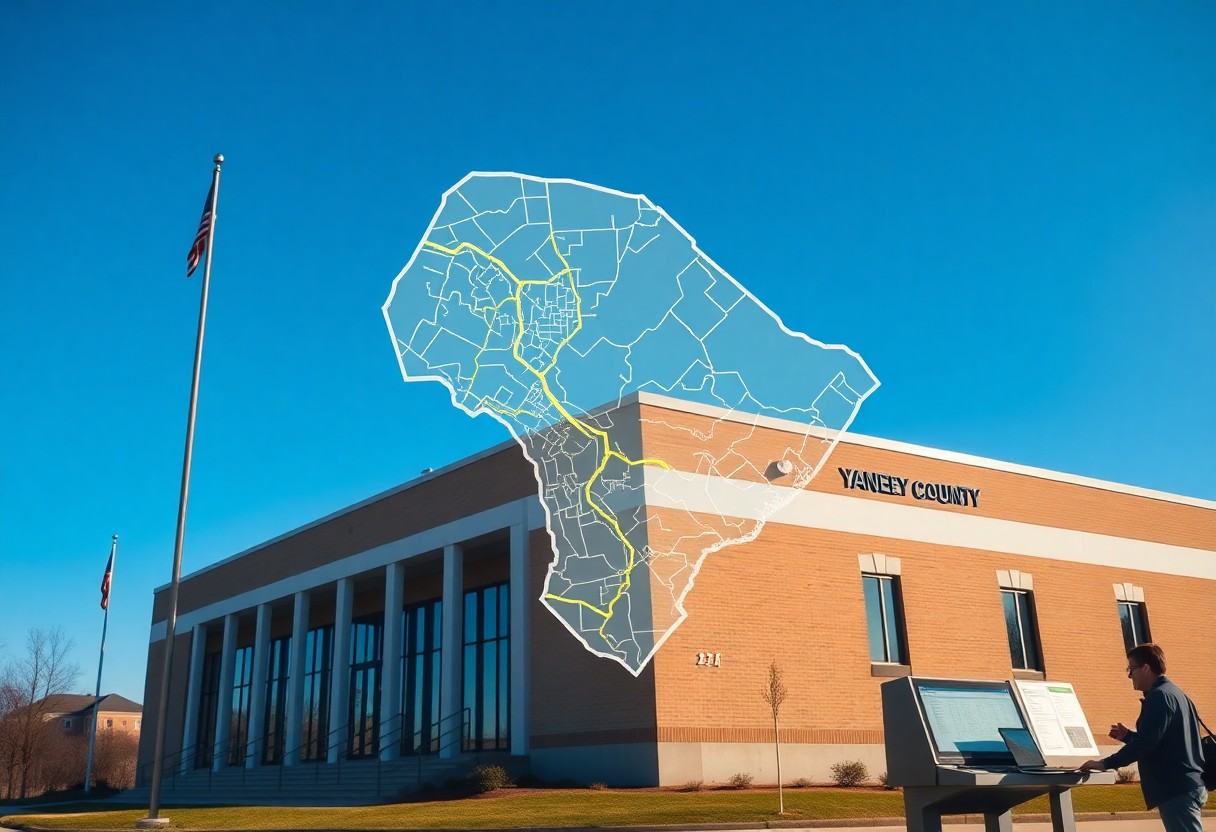
There’s a wealth of information at your fingertips when it comes to property data in Yancey County, NC. Navigating the various government and federal tools available can empower you to conduct a thorough parcel search, ensuring you have access to necessary details about property ownership, boundaries, and tax assessments. This blog post will guide you through the best resources and methods to efficiently uncover the property data you need, enhancing your understanding of real estate in your area.
Leveraging Government Resources for Parcel Insights
Government resources provide a wealth of information that can enhance your understanding of property data in Yancey County. Utilizing these resources not only supports your research but also aids in making informed decisions regarding land use, development potential, and property taxation. By tapping into local tax offices and online platforms, you gain access to imperative details such as ownership history and property assessments, while Geographic Information Systems (GIS) offer spatial mapping benefits that can further enhance your analysis.
Accessing Local Tax Offices and Their Online Portals
Local tax offices maintain records that are vital for property research. Yancey County’s tax office provides an online portal where you can search for specific parcels using various identifiers like address or parcel number. This portal can be a time-saving tool, giving you immediate access to property tax assessments, payment history, and ownership information, which are imperative for evaluating a property’s value and tax obligations.
Utilizing County Geographic Information Systems (GIS)
Geographic Information Systems (GIS) in Yancey County are powerful tools for visualizing and analyzing parcel data. By accessing these systems, you can view critical information such as zoning classifications, property boundaries, and topography. The GIS maps can also overlay various datasets, like flood zones or infrastructure, helping you assess the potential of properties through an interactive interface. Delving into GIS offers not only visuals that enhance your understanding but also analytics that improve decision-making when investing or researching real estate.
Yancey County’s GIS systems are user-friendly and provide comprehensive parcel data, including historical property usage, land valuation trends, and even demographic information about the surrounding area. By interacting with spatial maps, you can identify development opportunities and constraints based on land use regulations and environmental considerations. For example, finding parcels with high residential growth potential adjacent to commercial zones can reveal sound investment opportunities. The ability to visualize such interrelated factors is imperative in navigating property development or acquisition with confidence.
Unveiling Federal Tools for Property Data Exploration
Accessing reliable property data is simplified through various federal tools designed to assist you in exploring land characteristics, ownership details, and zoning regulations. By leveraging these resources, you can gain comprehensive insights into Yancey County NC properties. These tools, provided by federal agencies, greatly enhance your understanding of land management, usage, and potential development opportunities, empowering your next steps in property transactions or investment decisions.
Navigating the Bureau of Land Management’s Documents
The Bureau of Land Management (BLM) houses a wealth of documents that can be invaluable for your property research. These documents include land patents, title records, and survey maps, which offer imperative details about land ownership and boundaries. You can access the BLM’s official website to search for specific parcels using legal descriptions or geographic coordinates, providing a solid foundation for your property assessments.
Utilizing the National Resources Conservation Service for Land Characteristics
The National Resources Conservation Service (NRCS) offers tools that allow you to explore the soil and land characteristics of specific properties, which can be vital for agricultural use, land development, or conservation planning. Utilizing resources such as the Web Soil Survey, you can access detailed soil data, which includes information on soil types, drainage capabilities, and potential agricultural productivity.
Diving deeper into the NRCS resources, the Web Soil Survey not only provides soil classification but also outlines limitations and strengths for various uses, such as farming or building. For example, designed for comprehensive land-use analysis, it breaks down properties into specific soil moisture levels and fertility ratings. This can guide you in making informed decisions, ensuring sustainable practices or identifying ideal lands for crops. Armed with this data, you can better evaluate properties in Yancey County and their suitability for your intended purposes.
Optimizing Property Data Searches with Technology
Embracing technology can significantly enhance your property data searches, making the process quicker and more efficient. Tools such as geographic information systems (GIS) allow users to visualize property boundaries, zoning classifications, and environmental conditions on interactive maps. This technology not only streamlines the data retrieval process but also helps you identify trends and opportunities within the real estate market of Yancey County. By leveraging these advanced tools, you can gain a clearer understanding of the properties in your target area.
The Role of Mapping Software in Effective Searches
Mapping software serves as a powerful ally in property data searches, allowing you to visualize spatial relationships and property attributes easily. With many mapping applications providing up-to-date aerial imagery and boundary overlays, you can zoom in on specific properties, compare parcels, and analyze surrounding infrastructure. These tools enhance your ability to make informed decisions by helping you assess not just the properties themselves, but also the context of their locations and potential value.
Integrating Third-Party Platforms for Comprehensive Insights
Considering alternative platforms can enrich your understanding of property data by connecting you with valuable resources that extend beyond government databases. Real estate websites, public record databases, and specialized data aggregators each offer unique insights and tools that can complement your search efforts. These third-party platforms often provide user-friendly interfaces, enabling you to aggregate data, analyze trends, and even view historical sales data at your fingertips.
Integrating third-party platforms enhances your search for Yancey County properties by providing access to expansive datasets that may not be available through government resources alone. For example, platforms like Zillow or Realtor.com offer historical data on property listings and price trends, allowing you to analyze fluctuations in property value over time. Moreover, some services present neighborhood analytics, which include demographics and local amenities, enabling you to make more informed decisions based on a property’s potential for appreciation and overall desirability. By combining these insights with government resources, you position yourself to uncover valuable opportunities in the real estate market.
Essential Tips for Effective Parcel Searches
Obtaining accurate property data requires a strategic approach. Consider these imperative tips for successful parcel searches:
- Familiarize yourself with available online tools and resources.
- Utilize local government websites for updated data.
- Cross-check information from multiple sources.
- Keep organized records of your findings.
- Engage professionals when necessary.
Perceiving these strategies enhances your ability to navigate the complexities of property data efficiently.
Best Practices for Gathering and Verifying Data
To ensure the accuracy of the property data you collect, employ systematic approaches. Start by gathering information from official county and state sources, such as tax records and property appraisals. Verify findings through reputable websites like county GIS mapping systems, which visually display land parcels. Engaging with local tax assessors or record offices can uncover nuanced details not found online, providing you with a comprehensive view of the property in question.
Common Pitfalls to Avoid When Researching Properties
Falling into common missteps can derail your parcel search. Relying solely on outdated information or single sources can lead to significant inaccuracies in your data. Furthermore, neglecting local regulations and zoning laws can cause major issues down the line, particularly if you’re considering development or investment. Always stay aware of the changing landscape of property laws and market conditions, which can directly influence your findings.
In property research, overlooking critical updates or assuming data is static can prove detrimental. For instance, zoning designations may change due to local planning meetings, and these shifts can alter potential land use or value. Additionally, assuming online data is complete without verifying it through official channels can result in missed debts or liens. Regular engagement with local authorities can mitigate these risks, allowing for more informed decisions as you proceed with your parcel search.
The Future of Property Data Accessibility in Yancey County
Yancey County is poised for a dynamic transformation in property data accessibility. As local governments embrace digital initiatives, residents can expect to see more user-friendly online portals and interactive mapping tools that deliver real-time information about parcels and zoning. These advancements will not only enhance your ability to access property data efficiently but also promote transparency and foster community engagement.
Emerging Technologies and Innovations in Property Searches
The integration of emerging technologies, such as artificial intelligence and blockchain, is reshaping the landscape of property searches in Yancey County. These innovations promise streamlined processes, enabling you to access vital property information more quickly and securely. For example, AI can analyze property trends and predict market shifts, helping you make informed decisions based on accurate data and real-time analytics.
The Role of Community Engagement in Enhancing Data Accessibility
Engaging with the community plays a significant role in improving the accessibility of property data. Your active involvement in local meetings and initiatives can influence how property information is shared and utilized. Equipping community members with tools, such as informational sessions and user-friendly resources, fosters an informed populace that can advocate for better access to data.
Active community engagement can drive the development of more effective resources tailored to the needs of local residents. For instance, initiatives like local workshops on navigating online property databases can equip you with crucial skills, while your input can guide policymakers in identifying how to enhance existing systems. By banding together, you and your neighbors can ensure that property data remains accessible, accurate, and responsive to the needs of Yancey County residents.
To wrap up
As a reminder, utilizing the Yancey County NC Parcel Search along with various government and federal tools can greatly enhance your ability to access vital property data. By leveraging these resources, you can ensure that you have accurate information at your fingertips, aiding in informed decision-making regarding property ownership and management. Whether you are a buyer, seller, or simply interested in property details, these tools will empower your real estate endeavors with confidence and clarity.