
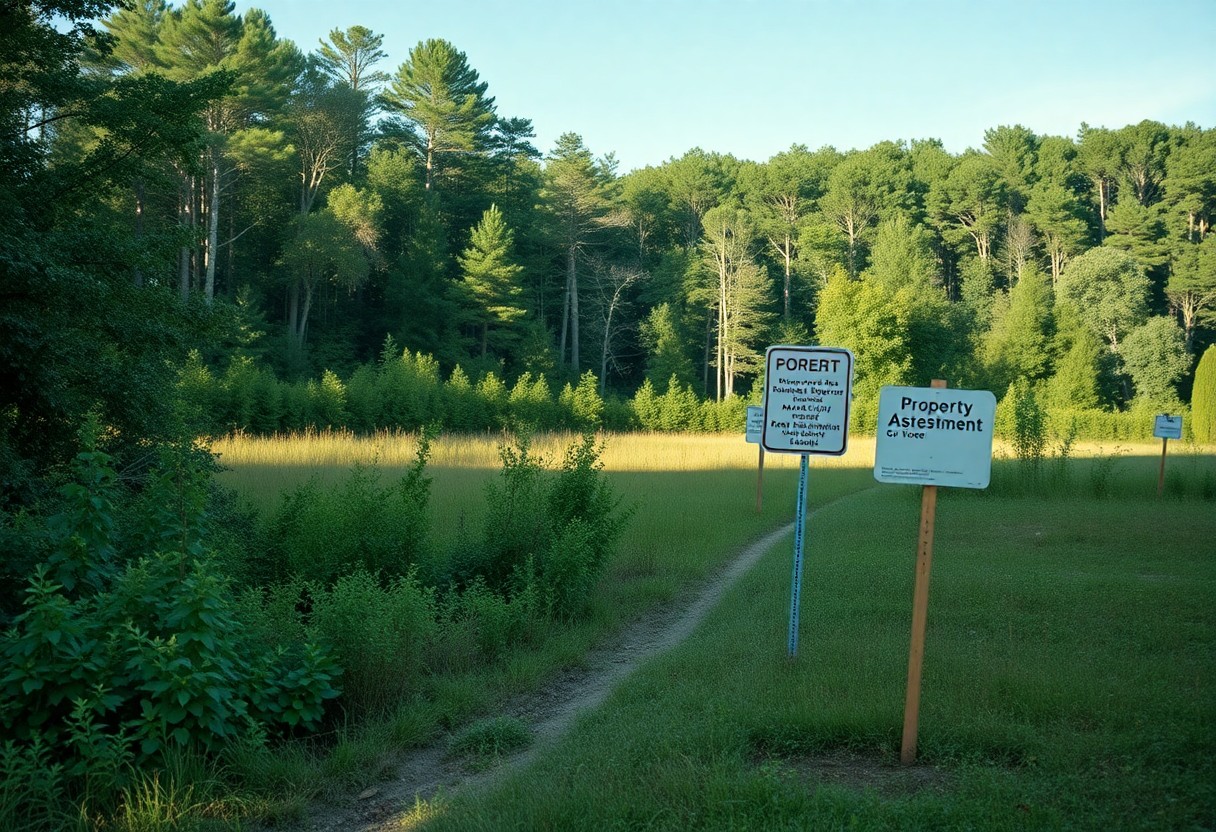
It’s important for you to understand how environmental assessments can impact property lines in North Carolina. These assessments are conducted to evaluate the potential environmental effects of proposed projects, and they can identify critical factors such as wetlands, floodplains, and endangered species habitats. As a property owner or prospective buyer, being aware of these assessments can influence your property rights, development options, and overall investment value. In this blog post, we will explore the key aspects of environmental assessments and their implications for your property in North Carolina.
The Role of Environmental Assessments in North Carolina’s Real Estate Landscape
Defining Environmental Assessments
In North Carolina, environmental assessments (EAs) serve as necessary tools to evaluate the potential impacts of property transactions on the environment. They typically involve a detailed analysis of land use, ecological conditions, and any possible contamination concerns. By identifying these factors upfront, you are better positioned to understand how environmental issues may influence your property’s value, development possibilities, and legal obligations.
Regulatory Framework Governing Property Transactions
The regulatory framework surrounding property transactions in North Carolina is primarily shaped by federal, state, and local laws designed to protect natural resources and public health. Various regulations require environmental evaluations to be conducted as part of the property transaction process, ensuring compliance and minimizing potential liabilities.
Expounding on the regulatory framework, federal laws like the National Environmental Policy Act (NEPA) mandate assessments for projects involving significant federal funding or permits. At the state level, you’ll encounter guidelines set forth by the North Carolina Department of Environmental Quality, which oversees compliance with environmental quality standards. Local planning and zoning regulations may further dictate specific assessments required before property development. This multifaceted approach ensures that you fully understand any environmental risks associated with your property, allowing for informed decision-making in real estate transactions.
Navigating Property Line Adjustments Post-Assessment
Post-environmental assessment, adjusting property lines can become a necessity, particularly when findings reveal that certain areas are unsuitable for development or habitation. You may need to engage in discussions with neighboring property owners and local authorities to redraw boundaries in accordance with state regulations and environmental mandates. The adjustment process often involves surveying, legal consultations, and possibly navigating local zoning laws, which can take time and resources.
Impact of Environmental Findings on Property Boundaries
Your property boundaries can shift significantly based on environmental findings. For instance, if a wetland is identified on your land, the regulated area may extend the property line, restricting buildable space. Similarly, if a site is deemed at risk for erosion or contamination, you might find yourself needing to adjust boundaries to comply with environmental protection laws, potentially impacting your property value and future development plans.
Case Examples of Property Line Changes in Affected Areas
Several case studies in North Carolina illustrate how environmental assessments have led to changes in property lines. One notable instance occurred in Wake County, where a property owner discovered a federally protected habitat on their land. As a result, their property was re-evaluated, and approximately 30% of the original lot was designated as protected, necessitating adjustments to the property line and limiting future construction. In another case, a residence near a river underwent a flood hazard assessment that modified the property boundary to account for flood management zones, emphasizing the direct impact of environmental findings on land ownership.
These examples demonstrate the tangible ramifications of environmental assessments. The Wake County case exemplifies how federally protected habitats can dramatically alter property lines, often relegating substantial portions of land to conservation. In contrast, flood hazard assessments reveal the importance of proactive risk management, prompting property boundary adjustments that align with safety and compliance requirements. You may find that understanding these precedents aids in anticipating the possible impacts of environmental assessments on your own property boundaries.
The Financial Implications of Environmental Assessments
Environmental assessments carry significant financial impacts for property owners in North Carolina. Understanding how these evaluations influence costs, insurances, and potential liabilities can provide clarity. As a property owner, you may find that the outcome of an environmental assessment can either bolster or diminish your financial strategy, affecting everything from loan eligibility to potential investment opportunities in your real estate portfolio.
Market Value Fluctuations Due to Assessments
Your property’s market value can experience fluctuations following an environmental assessment. If the assessment reveals contamination or other environmental risks, potential buyers may shy away from your property, reducing its overall appeal and value. Conversely, a clean assessment can enhance marketability, allowing you to command a higher price when selling.
Costly Consequences of Ignoring Environmental Risks
Ignoring environmental risks can lead to dire financial results. Properties with hidden hazards often require costly remediation efforts that can drain financial resources and diminish property value. For instance, a commercial property burdened with soil contamination could result in liabilities exceeding hundreds of thousands of dollars, not to mention legal fees and fines if regulatory compliance is not achieved. Furthermore, buyers and investors are increasingly prioritizing environmental due diligence, so your reluctance to address risks could inhibit future sales and investments. The long-term financial penalties of overlooking these assessments can far outweigh the initial costs of conducting them. Proactively addressing issues upfront can save your business substantial sums in the future.
Strategies for Property Buyers and Owners
Engaging in thorough strategies for property buyers and owners can significantly enhance the outcome of environmental assessments. By proactively addressing potential red flags and building a comprehensive understanding of your property’s environmental standing, you can avoid costly surprises and ensure your investment aligns with your long-term goals. This involves taking concrete steps during the purchasing phase and implementing risk mitigation techniques for ongoing management.
Pre-Purchase Environmental Due Diligence
Conducting pre-purchase environmental due diligence is a key strategy that can save you from future headaches. This involves performing Phase I Environmental Site Assessments to uncover past uses of the property and identify any contaminants that might affect property lines or your ownership rights. By gaining insights into the site’s history, you can make informed decisions and negotiate better terms before finalizing your purchase.
Risk Mitigation Techniques for Property Owners
For property owners, implementing risk mitigation techniques ensures that you address environmental concerns proactively. Regular property inspections and environmental monitoring can minimize liability and support compliance with regulations. Additionally, adopting a comprehensive management plan that includes emergency response protocols and ongoing assessment will bolster your property’s value and protect your investment.
Utilizing risk mitigation techniques involves establishing a routine check-up schedule for environmental health. This includes working with environmental consultants who can recommend tailored solutions based on your property’s unique features and history. You might also consider developing a relationship with legal experts who specialize in environmental law, ensuring compliance with local regulations and providing guidance if legal issues arise. By doing so, you will not only fortify your property’s standing but also enhance your capabilities to respond to any arising environmental challenges effectively.
Environmental Stewardship and Community Impact
Engaging in environmental assessments not only safeguards land but also enhances community well-being. You gain valuable insights on how local ecosystems function, ultimately fostering a harmonious relationship between development and nature. This commitment to environmental stewardship acts as a catalyst for collaborative efforts among local residents, businesses, and governments to ensure sustainable practices are adopted, contributing to a healthier community.
How Assessments Foster Sustainable Development
Environmental assessments provide a framework for identifying potential negative impacts and addressing them before they manifest. By doing so, you can ensure that new developments align with sustainable practices, reducing waste and conserving energy. For instance, in North Carolina, projects that undergo thorough assessments often incorporate renewable energy sources, improving the community’s resilience while meeting development goals.
Engaging the Community: The Importance of Transparency
Your involvement in the environmental assessment process is vital for fostering trust and collaboration. Transparency in sharing the findings and implications of assessments allows you and community members to voice concerns and contribute to informed decisions. This engagement often leads to more tailored solutions that reflect the community’s needs and values.
When communities are kept informed about environmental assessments, they develop a sense of ownership regarding local development. Open forums and informational sessions can be organized where stakeholders share assessment data, impact analyses, and proposed mitigation strategies. This transparency not only empowers you as a community member but also strengthens relationships between developers and local residents, ensuring mutual understanding and collaboration in sustainable decision-making. Engaging effectively with the community can lead to greater support for projects and a shared commitment to protecting the environment for future generations.
Final Words
The environmental assessments play a significant role in how property lines are determined in North Carolina. By understanding the impact of these assessments, you can ensure that your property complies with regulations and avoid potential disputes. Considering factors such as wetlands, flood zones, and contamination levels will not only protect your investment but also contribute to responsible land use in your community. Staying informed about your property’s environmental status helps you make better decisions and enhances the value of your property in the long run.